Clayton’s Library Plants New Ideas with Seed Library

Typically known for its books, audiobooks, and DVDs, Hocutt Ellington Memorial Library is growing its collection in Clayton. The Seed Library, a budding favorite among visitors, gives people a chance to explore gardening while learning more about healthy living and sustainability.
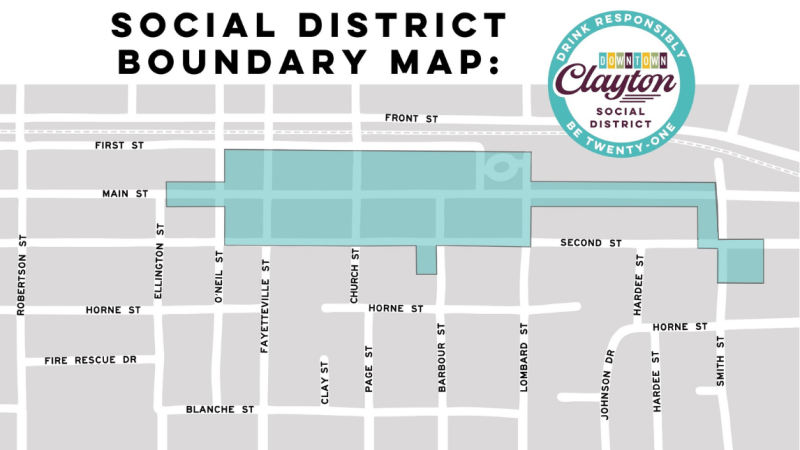
Open to all library cardholders, the Seed Library invites patrons to browse a carefully chosen selection of vegetable seeds. Each household may choose up to five seed packets per household during a single visit. The packets are organized in drawers and clearly labeled. Every packet includes simple instructions to help gardeners of all experience levels get started. Current seed options include carrots, onions, collards, brussels sprouts, and other seasonal favorites. The full collection is available now at the library’s temporary location (446 East Second Street).
The Seed Library was first launched in 2023 and is now part of the new Library of Things, a collection of nontraditional items that support hands-on learning. It is one example of how the library helps people explore topics in new and creative ways. To go along with the seeds, visitors can also check out books on gardening, soil health, composting, nutrition, and home cooking – all from the library’s nonfiction shelves.
By offering access to this kind of resource, the library continues to grow its role as more than a place for books. It connects people with chances to try new things, build knowledge, and learn in ways they may not have explored before.
“The Seed Library is really about learning by doing,” said Library Manager Mel Poole. “It gives people a chance to explore where food comes from, how plants grow, and why healthy habits matter. Whether you’re a first-time gardener or someone with experience, it’s a meaningful way to explore and connect with something tangible.”
Access to healthy food remains a challenge for many in North Carolina. According to the UNC School of Government’s ncIMPACT Initiative, nearly 11 percent of households and 17 percent of children in the state experienced food insecurity in 2021. Poole said programs like seed libraries help address food insecurity by equipping people with the resources and knowledge that support healthy, independent living.
The Seed Library also highlights the value of local partnerships. With help from the Clayton Junior Woman’s Club and NC Cooperative Extension, the library can offer seeds that match the region’s planting seasons.
“When we learned about the Seed Library, we saw a chance to support something long-lasting and rooted in community values,” said Julia Curran of the Clayton Junior Woman’s Club. “It gave us a meaningful way to support both the library and the community. Working with Seed Savers Exchange, we helped supply seeds chosen to fit our local growing conditions. We are proud to play a role in something that brings knowledge, health, and joy into people’s homes.”
“This partnership allows us to provide something truly valuable,” Poole said. “It helps us respond to each growing season and gives people the tools to live a little greener. Together, we are helping the community grow – one seed at a time.”
Learn more about the Seed Library and other creative services at claytonlibrarync.org.